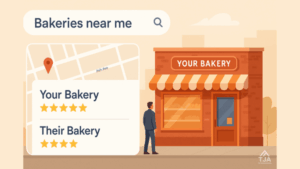

If there’s one thing I’ve learned working with clients across industries, it’s that location still matters — even in a digital world that feels borderless.
In 2025, people crave connection. They want content that feels familiar, that speaks their language, that understands where they are. For agencies like TJA Strategies based in the Philadelphia region, we’ve seen firsthand how localized content can take a brand from invisible to seen, from “just another business” to “the one down the street that gets it.”
With that experience in mind, let’s walk through:
-
Why localized content matters more than ever
-
What it means to localize content properly
-
How to build a practical localized content strategy
-
And of course, where research backs it up
Why Local Content Matters in 2025
Local Intent + Search Behavior
When someone searches, they often mean their place. A recent report found that over 46% of Google searches show local intent — meaning the user was seeking results tied to a specific area.
Another source shows “8 in 10 U.S. consumers say they search for a local business online at least once a week.”
Local Search Drives Engagement & Actions
Visibility in local search is high-stakes: According to one data set, businesses appearing in the “local map pack” (top three local results) reported 126% more traffic and 93% more calls, website clicks and direction requests compared to those ranked spots four through ten.
Content Strategy Still Central
A broader look at content strategy finds that “62.8% of content marketers saw traffic growth between 2024 and 2025.” This reinforces the idea that content remains a core driver of performance — but the where and who could make a real difference.
What “Localized” Really Means
When we say “localizing content,” we don’t just mean adding a city name. It means creating content that resonates with the people of a place.
Here’s what to focus on:
-
Neighborhood & service-area specificity: If you serve the Philadelphia region, that might mean referencing neighborhoods like “Roxborough,” “Manayunk,” “Old City,” or suburbs like “Bucks County.”
-
Local cultural cues: Recognizing local business rhythms, community events, climate, infrastructure — all of that contextualizes your content so it doesn’t feel generic.
-
Audience-centric phrasing: The way someone in a region might ask a question: “Which SEO agency serves Fishtown?” or “Best HVAC company for older homes in Germantown.”
-
Local keyword modifiers: Including region + service + intent: e.g., “content strategy Philadelphia small business”, “local blog writing Bucks County”, etc.
Localization is about speaking directly to the community you serve — the searcher, not just the algorithm.
How to Build a Localized Blog Content Strategy
Here’s a simple, pragmatic framework we use at TJA Strategies:
1. Identify Your Service Areas & Audiences
Map out the regions, suburbs, neighborhoods your business serves. Example: Philadelphia region, Main Line suburbs, South Jersey, etc.
Ask: What unique service needs or behaviors exists in each area?
2. Keyword & Topic Mapping with Local Focus
For each area/service combination, identify keywords that include the location.
Examples:
-
“emergency plumbing repair in Ardmore”
-
“air conditioning installation Main Line Philadelphia”
-
“roof leak repair near Chestnut Hill”
Make sure topic titles reflect place + service + intent.
3. Tell Local Stories and Use Real-World Examples
Write blog posts that reference local conditions, client stories in the region, or neighborhood details. This builds relatability and trust.
For example: “How we helped a South Philly bakery gain an edge through neighborhood-targeted blog posts.”
4. Optimize Structure, On-Page & Internal Links
Use readable structure: short intro, H2/H3 sub-heads, bullet lists where helpful.
Link internally: blog posts → service pages → neighborhood landing pages.
Optimize images with alt text including location (e.g., “Germantown Philadelphia small business content workshop”).
Ensure each post has a meta description with the location keyword.
5. Monitor Performance by Region
If you can segment by ZIP code or neighborhood, you’ll find which posts resonate locally and where to double down.
If content strategy shows higher engagement from a specific suburb, build more content around that area.
Why This Matters Beyond Just Keywords
Yes — location matters for keywords. But the real payoff is trust and relevance.
When your content reflects the place your audience lives, works or plays, you build authority and familiarity.
One study found “nearly half (47.6%) of businesses expected to spend $5K to $25K per month on content marketing,” indicating brands are steadily investing in this space.
Another core trend: Content strategy is increasingly complex. In 2025, the top frustrations among content marketers included “getting content to rank (77.6%)” and “meeting user/search intent (70.6%)”.
What this means: While many brands are producing content, standing out means aligning your content to a real place + a real audience.
Examples of Blog Topics with a Localized Focus
Here are topic frameworks you could use (adapt to your company blog):
-
“5 Common HVAC Problems Homeowners Face in Bensalem, PA — and How to Fix Them”
-
“The Ultimate Guide to Roof Maintenance for Main Line Homes”
-
“Emergency Plumbing Tips for Older Homes in South Philly”
-
“How to Choose the Right Electrician Near Abington, PA”
-
“Why Spring Is the Best Time for a Yard Cleanup in Montgomery County”
Each of these uses: Place + service + why it matters.
How TJA Strategies Approaches Local Content
At TJA Strategies, we take a human-first approach to localization. Every market has its own voice, energy, and story — and our goal is to help brands speak in a way that feels native to their audience.
Instead of chasing trends or algorithms, we focus on understanding the communities our clients serve and crafting content that naturally connects with them. Whether it’s a family-owned HVAC company in the suburbs or a local nonprofit making a difference in the city, we tailor messaging to reflect real people and real places.
Because at the end of the day, localization isn’t just an SEO tactic — it’s about building trust through relevance. When your audience feels seen and understood, performance follows.
Final Thoughts
If your 2025 content strategy doesn’t include a localization component, you’re not just missing keyword opportunity — you’re missing connection.
Whether you’re a small business owner, agency or content creator:
-
Ask yourself if your content reflects where your audience lives.
-
Ensure you’re using language and references your audience would recognize.
-
Make your blog posts part of a deliberately local ecosystem — neighborhoods, suburbs, service areas — not just broad national talk.
At TJA Strategies, we believe in writing for the local reader first. The algorithm will follow.
If you’re ready to build a content strategy that truly connects your brand to your community, let’s talk. Reach out and we’ll tailor a plan for your service-area, audience, and goals.