
If you run a local business, you already know the struggle: how do you stand out online when bigger competitors have more money, bigger teams, and national recognition? The good news is that in 2025, local SEO is more powerful than ever — and it levels the playing field for small businesses who know how to use it.
I’ve seen firsthand how local SEO can transform a business. With the right strategy, a single optimized Google Business Profile or location-based keyword campaign can generate leads that actually turn into paying customers. And the best part? You don’t need a massive budget to make it work.
Want to see how your business stacks up right now? Start with a quick local SEO audit — it’s the fastest way to spot easy wins.
Why Local SEO Still Matters in 2025
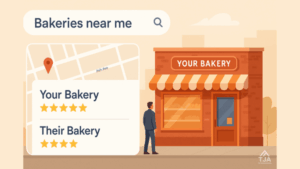
Search intent is more local than ever. Think about your own habits: how often do you type “near me” into Google? Or search for “best pizza in [your town]”? Google knows this, which is why they’ve put so much energy into refining local search results.
Here’s what’s happening right now:
-
Voice search is booming. More people ask Siri, Alexa, or Google Assistant for recommendations on the go. Voice queries tend to be hyper-local (“best HVAC repair near me” or “open coffee shops in Ardmore”).
-
Zero-click searches are rising. Customers often get the answer they need directly from a map pack, featured snippet, or Google Business Profile — and never click through to a website.
-
Mobile dominates. Over 60% of searches now happen on mobile devices. That means if your site loads slow or isn’t optimized for mobile, you’re losing customers before they even find you.
For small businesses, this is actually great news. Google wants to serve searchers the most relevant local results. With the right optimization, you can appear in front of nearby customers at the exact moment they’re searching for what you offer.
If your business isn’t showing up in those “near me” results yet, don’t panic — that’s exactly what local SEO can fix.
The Core Elements of Local SEO Success
1. Google Business Profile Optimization
Your Google Business Profile (GBP) is often the first thing people see when they find you. In 2025, it’s no longer enough to just claim your profile and list your hours. You need to:
-
Keep details accurate and up to date (hours, services, contact info).
-
Add photos and videos regularly (Google prioritizes fresh, visual content).
-
Post updates — promotions, events, blog snippets.
-
Respond to reviews quickly (and authentically).
I’ve worked with businesses where a properly optimized GBP drove more traffic and calls than their entire website. Why? Because people trust the map pack results. It’s quick, visual, and right there when they need it.
Pro tip: if you don’t remember the last time you updated your Google Business Profile, it’s probably time to refresh it. Even small tweaks can boost visibility fast.
2. Location-Based Keywords
Ranking for “HVAC services” or “real estate” alone isn’t realistic when you’re up against national brands. But “HVAC repair in Bensalem PA” or “Main Line homes for sale” — that’s winnable.
This is where intent comes in. People searching with local modifiers (city, neighborhood, “near me”) aren’t just browsing — they’re ready to buy. Targeting these keywords across your site, blog content, and service pages puts you in front of the right audience at the right time.
Not sure which local keywords make sense for your business? That’s where keyword research comes in — and it’s something you can start today.
3. Reviews and Reputation Management
Your reviews are the modern word-of-mouth. They don’t just build trust with potential customers — they directly impact your search rankings. Businesses with more positive, recent reviews almost always outperform competitors in local search results.
But here’s the trick: timing matters. Asking for a review right after you’ve delivered a great customer experience dramatically increases the odds of a positive response. Setting up a simple system for review requests — whether by text, email, or a follow-up conversation — pays off in visibility and conversions.
If you’re not consistently getting reviews, you’re leaving ranking power (and trust) on the table. Put a system in place now, before your competitors do.
4. Localized Content
Content is still king, but for local SEO, it has to be hyper-relevant. Blog posts like:
-
“The 5 Most Common Plumbing Emergencies in Philadelphia”
-
“What to Expect When Buying a Home on the Main Line”
-
“How to Prepare Your HVAC for Winter in Bucks County”
Not only do these posts drive traffic, but they also show authority in your specific market. And when you interlink these posts with your service pages, you build topical authority — which Google loves.
Want an easy content win? Write down the top five questions customers ask you every week — then turn each one into a blog post with a local spin.
5. Technical SEO & User Experience
You can have the best content and reviews in the world, but if your site takes 10 seconds to load, people are gone. Local SEO isn’t just about keywords and maps — it’s about user experience.
-
Make sure your site is mobile-friendly.
-
Optimize for Core Web Vitals (page speed, interactivity, layout stability).
-
Add clear calls to action (“Call Now,” “Book a Consultation,” “Get a Free Estimate”).
I’ve seen local businesses double their lead flow simply by improving site speed and tightening up their calls to action.
Pro tip: Run your site through Google’s free PageSpeed Insights tool. If your score is in the red, fixing it should be a top priority.
What’s New in Local SEO This Year
-
AI in Search Results: Google’s Search Generative Experience (SGE) is rolling out, which means more AI-generated answers on top of search results. Businesses that structure their content well (FAQs, schema markup, clear service explanations) have the best shot at being cited in these answers.
-
Visual Search: Platforms like Google Lens are gaining traction. Think about it — someone takes a picture of a leaky faucet, uploads it, and looks for local plumbers. If your content is optimized with alt text, structured data, and images, you’re better positioned to show up.
-
Personalization: Google is using search history, location, and behavior to serve hyper-personalized results. That means your content has to be laser-targeted to your area and audience.
Staying ahead of trends like these is what separates the businesses that grow from the ones that stall. If you haven’t looked at how AI is changing search yet, now’s the time.
Real-World Example: How Local SEO Moves the Needle
I worked with a small service business that was struggling to compete with regional chains. Their website wasn’t ranking, and most of their leads were coming from word of mouth. After optimizing their Google Business Profile, targeting neighborhood-level keywords, and creating localized blog content, they started to see consistent movement.
Within six months:
-
Calls from their GBP doubled.
-
Their site ranked on page one for multiple “near me” queries.
-
They landed a steady stream of qualified leads — not just more traffic, but actual paying customers.
The takeaway? Local SEO works when it’s intentional.
If you’re curious what kind of results you could see in six months, let’s talk about a local SEO roadmap built for your business.
How to Compete with Bigger Brands
Here’s the secret: bigger companies often overlook local nuances. They rely on broad branding campaigns, while smaller businesses can get specific. You can:
-
Target long-tail keywords that they ignore.
-
Build personal connections through reviews and local events.
-
Create content that actually speaks to your community, not just “everyone.”
That’s your edge.
Remember, local SEO isn’t about shouting the loudest — it’s about being the most relevant when it matters most.
Final Thoughts
Local SEO in 2025 isn’t about trying to outspend or outrank national competitors on broad terms. It’s about showing up where it matters most: in your community, at the exact moment someone is looking for what you offer.
If you’re a small business owner, investing in local SEO is one of the smartest, most cost-effective ways to grow. Focus on your Google Business Profile, reviews, local keywords, and user experience, and you’ll put yourself miles ahead of competitors who are still trying to brute-force broad SEO strategies.
The bottom line? You don’t need to be the biggest player to win. You just need to be the most relevant in your local market.
Want to see where your local SEO stands today? Reach out for an audit — I’ll show you exactly what’s working, what’s not, and where the fastest opportunities are hiding.